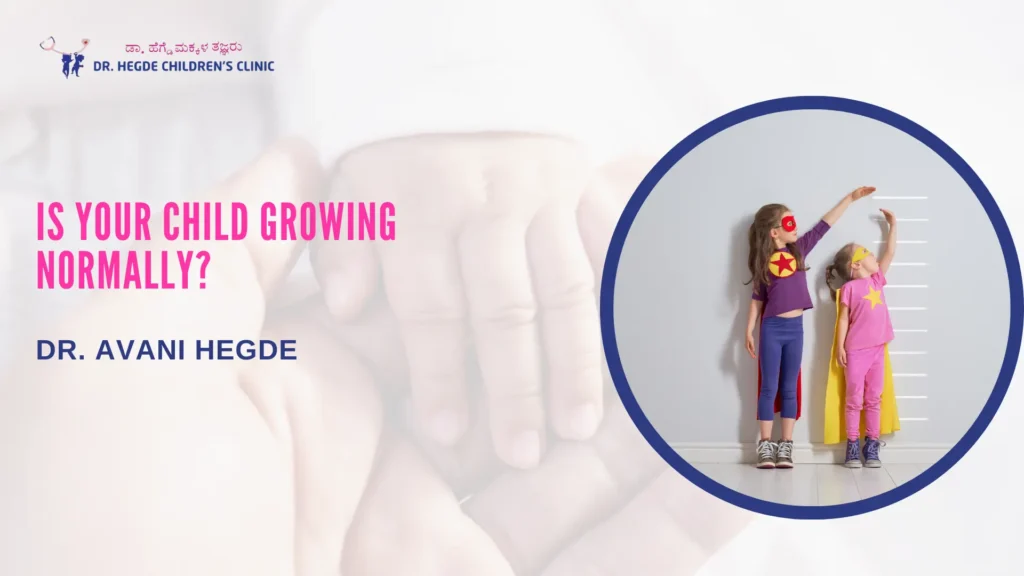
Every parent wonders at some point: Is my child growing the way they should? Growth is more than just height and weight—it reflects a child’s overall health, nutrition, and hormonal balance. Consulting a Pediatric Endocrinologist in Banashankari can help parents understand whether their child’s growth pattern is within a healthy range or needs medical attention.
Understanding Normal Growth in Children
Children grow at different rates, but there are standard growth milestones that doctors use to track development. Growth charts compare your child’s height, weight, and body mass index (BMI) with children of the same age and gender. A steady growth pattern is usually a positive sign, even if a child is smaller or taller than average.
When Should Parents Be Concerned?
While variations are normal, certain signs may indicate growth-related concerns:
- Noticeably slower growth compared to peers
- Sudden drop in height or weight percentiles
- Delayed or early puberty
- Excessive weight gain or difficulty gaining weight
Early identification is crucial, as timely intervention can significantly improve outcomes.
Role of Hormones in Child Growth
Hormones play a vital role in regulating growth and development. Growth hormone, thyroid hormone, insulin, and sex hormones all contribute to a child’s physical changes. Any imbalance can affect height, weight, bone development, or puberty timing. Pediatric endocrinology focuses on diagnosing and managing these hormonal conditions safely and effectively.
Importance of Early Diagnosis and Treatment
Detecting growth or hormonal issues early allows doctors to create personalized treatment plans. These may include lifestyle changes, nutritional guidance, hormone therapy, or regular monitoring. Early treatment not only supports physical growth but also boosts a child’s confidence and emotional well-being.
How Parents Can Support Healthy Growth
Parents play an essential role in their child’s development. Ensuring a balanced diet, adequate sleep, regular physical activity, and routine health check-ups can make a significant difference. Keeping track of growth records and addressing concerns promptly helps maintain long-term health.
Frequently Asked Questions (FAQs)
1. At what age should a child’s growth be monitored closely?
Growth should be monitored from infancy through adolescence, with regular check-ups during early childhood and puberty.
2. Is being shorter than peers always a problem?
No. Genetics play a major role. Concern arises only if growth is consistently below normal ranges or slowing unexpectedly.
3. Can hormonal issues affect school performance?
Yes. Hormonal imbalances can impact energy levels, concentration, mood, and overall academic performance.
4. Is treatment for growth disorders safe for children?
When supervised by a specialist, treatments are carefully planned and monitored to ensure safety and effectiveness.
5. Can growth problems be completely corrected?
Many growth-related issues can be managed successfully, especially when diagnosed early, helping children reach their full potential.