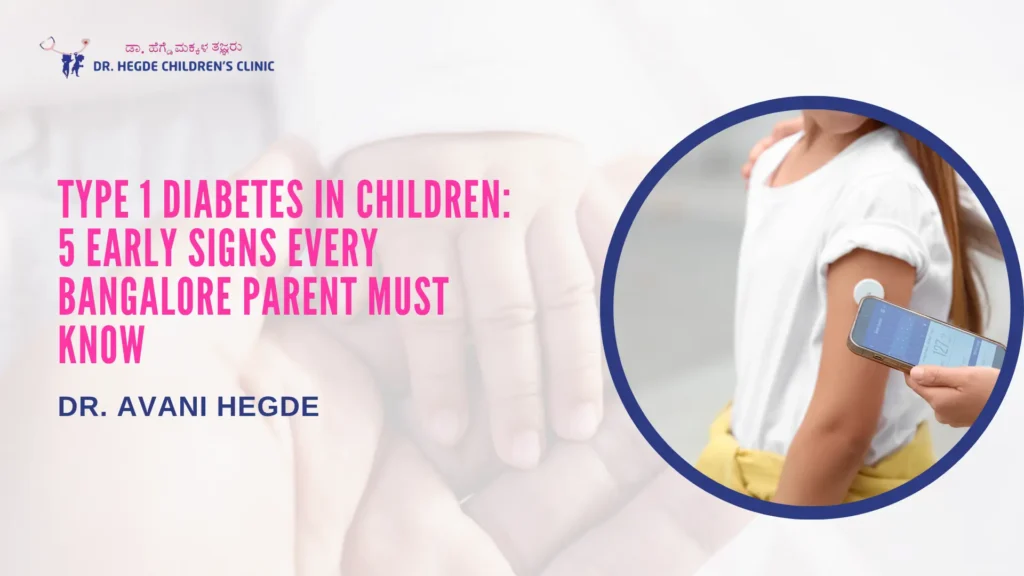
Type 1 Diabetes in children is a growing health concern that requires early recognition and timely medical intervention. Unlike Type 2 Diabetes, this condition is not caused by lifestyle factors—it is an autoimmune disorder where the body attacks insulin-producing cells in the pancreas. Consulting the Best Child Specialist in Banashankari at the right time can make a crucial difference in early diagnosis and treatment.
For parents, especially in urban cities like Bangalore, awareness is key. Identifying early symptoms can prevent serious complications and ensure better long-term health outcomes for children.
What is Type 1 Diabetes in Children?
Type 1 Diabetes occurs when the body stops producing insulin, a hormone that helps regulate blood sugar levels. Without insulin, glucose builds up in the bloodstream, leading to high blood sugar levels.
This condition usually develops in childhood or adolescence and requires lifelong management with insulin therapy. Early consultation with the Best Child Specialist in Banashankari helps ensure accurate diagnosis and effective care.
Why Early Detection is Crucial
Early diagnosis can:
- Prevent life-threatening complications like diabetic ketoacidosis (DKA)
- Reduce hospital admissions
- Help children lead a healthy and active life
Unfortunately, many early signs are subtle and often mistaken for routine issues. Seeking guidance from the Best Child Specialist in Banashankari can help identify these warning signs early.
5 Early Signs of Type 1 Diabetes Every Parent Must Watch For
1. Frequent Urination (Polyuria)
If your child is suddenly urinating more often than usual, including bedwetting after being toilet-trained, it could be a warning sign.
Why it happens:
Excess sugar in the blood pulls water from tissues, increasing urine production.
2. Excessive Thirst (Polydipsia)
Children may constantly ask for water or fluids, even shortly after drinking.
Red flag:
Persistent thirst that doesn’t improve with hydration.
3. Unexplained Weight Loss
Despite eating normally—or even more than usual—your child may start losing weight.
Why it happens:
The body begins to break down fat and muscle for energy due to lack of insulin.
4. Extreme Fatigue
Your child may feel unusually tired, weak, or less active than usual.
Reason:
Cells are unable to absorb glucose for energy, leading to constant fatigue.
5. Increased Hunger (Polyphagia)
Children may feel hungry all the time, even after meals.
Warning sign:
Hunger combined with weight loss is particularly concerning.
Additional Symptoms Parents Should Not Ignore
- Blurred vision
- Irritability or mood changes
- Fruity-smelling breath (a sign of DKA)
- Nausea or vomiting
If these symptoms appear suddenly, seek medical attention immediately from the Best Child Specialist in Banashankari.
When Should You See a Doctor?
Consult a pediatrician immediately if you notice:
- Multiple symptoms occurring together
- Sudden behavioral or physical changes
- Persistent thirst and urination
Early screening can make a life-saving difference. Timely consultation with the Best Child Specialist in Banashankari ensures proper diagnosis and treatment.
Diagnosis & Treatment
Diagnosis:
- Blood sugar tests
- Urine tests
- HbA1c levels
Treatment:
- Lifelong insulin therapy
- Blood sugar monitoring
- Balanced diet and physical activity
With proper care guided by the Best Child Specialist in Banashankari, children with Type 1 Diabetes can live completely normal and active lives.
Tips for Parents in Bangalore
✔ Stay Alert to Subtle Changes
Urban lifestyles can mask early symptoms—be observant.
✔ Maintain Regular Health Check-ups
Routine screenings help detect issues early.
✔ Educate Caregivers & Schools
Ensure teachers and caregivers understand the condition.
✔ Encourage Healthy Eating Habits
Balanced nutrition supports overall well-being.
FAQs
1. Can Type 1 Diabetes be prevented?
No, it cannot be prevented, but early detection can help manage it effectively.
2. At what age does Type 1 Diabetes occur?
It can occur at any age but is most common in children and adolescents.
3. Is Type 1 Diabetes hereditary?
Genetics can play a role, but not all children with diabetes have a family history.
4. Can children with Type 1 Diabetes live a normal life?
Yes, with proper treatment and monitoring, they can lead healthy and active lives.
Conclusion
Type 1 Diabetes in children is manageable—but only if detected early. As a parent, recognizing the warning signs can make all the difference between a medical emergency and timely care.
If you notice any unusual symptoms in your child, do not delay seeking medical advice. Consulting the Best Child Specialist in Banashankari at the earliest ensures better health outcomes and a brighter future for your child.