Pediatric Endocrinologist Bangalore specialists often remind parents that newborn and infant skin needs gentle, minimal care. Applying talcum powder after every bath may seem like a simple way to keep your baby fresh and dry, but it may not always be necessary. Fine powder particles can become airborne and may be accidentally inhaled by babies, potentially irritating their airways and lungs.
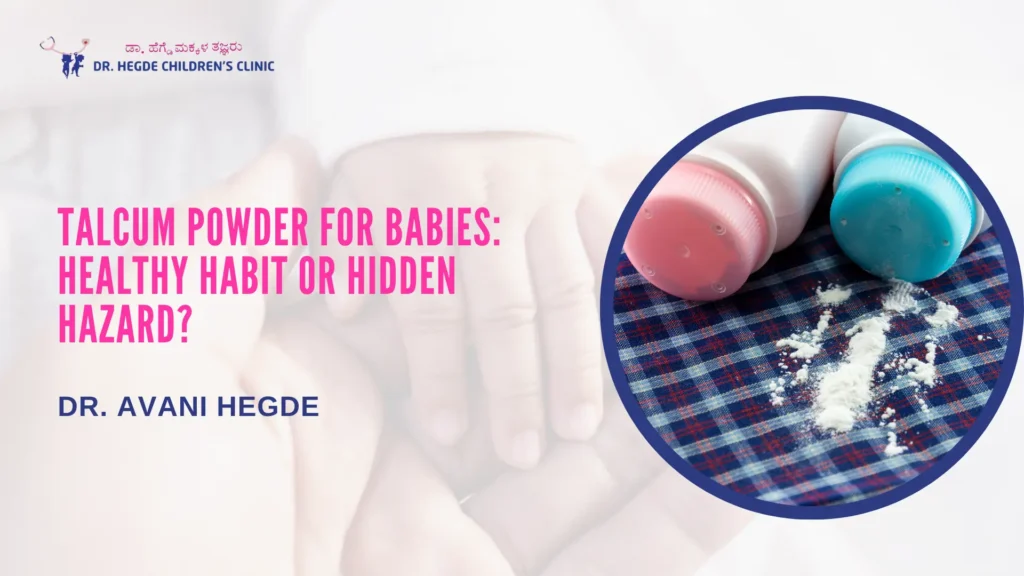
Baby skin is delicate, and many parents use talcum powder to prevent moisture, especially around the neck, underarms, groin, and other skin folds. However, loose powders can easily become airborne during application.
When babies inhale these fine particles, they may experience airway or respiratory irritation. Because infants have developing respiratory systems, it is better to avoid unnecessary exposure to airborne powders.
A Pediatric Endocrinologist Bangalore may also advise parents to follow a simple baby-care routine and avoid using unnecessary products unless there is a specific reason for them.
You don't necessarily need talcum powder to keep your baby's skin dry. After bathing:
- Gently pat the baby's skin with a soft, clean, dry towel.
- Pay particular attention to skin folds around the neck, groin, and thighs.
- Avoid vigorous rubbing, which can irritate delicate skin.
- Keep the baby's clothes clean, comfortable, and breathable.
- Avoid applying powders near the baby's face or areas where the powder can easily become airborne.
If you notice redness, persistent moisture, rashes, peeling, or irritation, don't simply cover the area with powder. Consult your pediatrician or dermatologist for an appropriate, baby-safe treatment.
A Pediatric Endocrinologist Bangalore can also guide parents when a baby's skin concerns occur alongside broader growth or developmental concerns.
Occasional mild skin moisture is usually manageable with gentle drying. However, persistent rashes, worsening redness, swelling, discharge, or discomfort should be evaluated by a healthcare professional.
Rather than routinely using talcum powder, parents should focus on gentle cleansing, thorough drying, and using prescribed products when necessary. A Pediatric Endocrinologist Bangalore can help parents understand appropriate child-care practices and when specialist evaluation may be needed.
Conclusion:
Talcum powder may seem like a harmless part of a baby’s bath routine, but it isn’t essential for keeping babies dry. Gentle drying, breathable clothing, and appropriate medical advice are safer approaches. If your baby develops persistent skin irritation or any concerning symptoms, consult a pediatrician rather than relying on powder.
FAQ’s
No. Routine talcum powder use is generally unnecessary. Gently drying the baby's skin is usually sufficient.
Yes. Fine powder particles can become airborne during application and may be inhaled, potentially irritating the airways.
After bathing, gently pat the skin folds dry with a soft towel. Avoid vigorous rubbing.
Avoid masking the rash with powder. Consult your pediatrician for appropriate treatment.
Loose powders can pose an inhalation risk, so they should not be used routinely without medical advice.