Every parent wants to see their child grow healthy and strong. However, some parents become worried when their child does not gain weight as expected, even after providing regular meals and nutritious food. While children grow at different rates, consistently poor weight gain should not be ignored.
Weight gain is an important indicator of a child’s overall health, nutrition, and development. Sometimes, it may be related to picky eating or inadequate calorie intake. In other cases, underlying digestive problems, hormonal imbalances, or other medical conditions may affect growth. Understanding the reasons behind poor weight gain can help parents take timely action. Consulting a Pediatric Endocrinologist in Bangalore can help identify whether hormonal or growth-related problems are affecting your child’s development.
Children generally gain weight as they grow, although the rate varies depending on their age, genetics, nutrition, and overall health. If your child's weight remains unchanged for several months or their growth pattern slows down, it may require medical attention.
Some common reasons include:
1. Poor Eating Habits
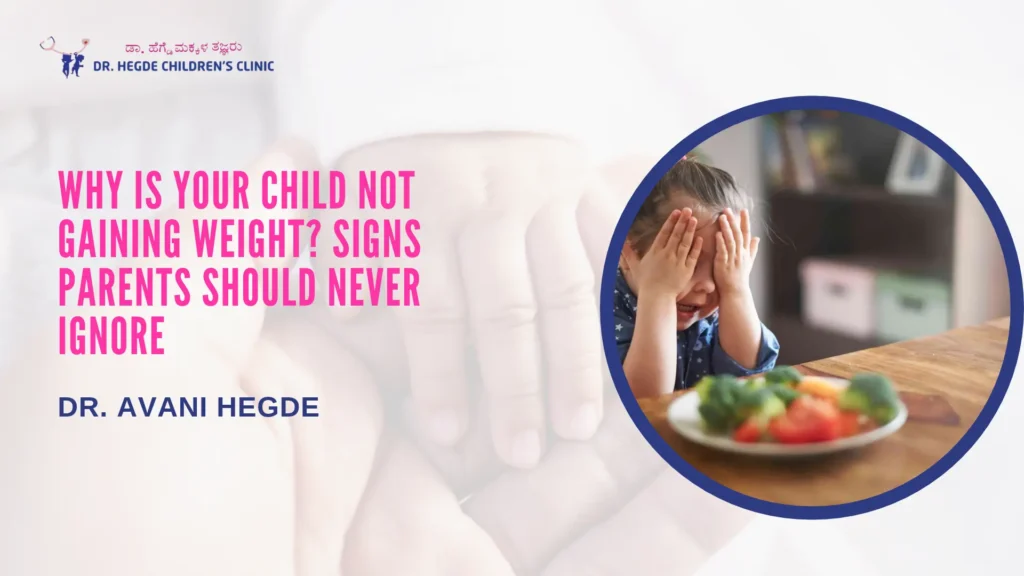
Many children are selective about food. They may refuse vegetables, avoid nutritious meals, or prefer snacks and packaged foods. This can prevent them from receiving enough calories, proteins, vitamins, and minerals needed for healthy growth. Parents should encourage balanced meals rather than forcing children to eat. Offering small portions at regular intervals can also help improve eating habits.
2. Digestive Problems
Digestive conditions can affect how the body absorbs nutrients from food. Problems such as chronic diarrhoea, food intolerance, intestinal infections, and coeliac disease may contribute to poor weight gain. If your child frequently experiences stomach pain, loose stools, bloating, or vomiting, consult a healthcare professional.
3. Hormonal Imbalances
Hormones play an important role in regulating metabolism, appetite, energy, and physical development. Thyroid disorders and certain other hormonal conditions can influence a child's growth and weight.
A thyroid problem, for example, may affect metabolism and overall development. If poor weight gain occurs alongside unusual tiredness, changes in appetite, or slowed height growth, a specialist evaluation may be helpful. A Pediatric Endocrinologist in Bangalore can assess growth patterns and identify possible hormonal concerns.
4. Frequent Infections
Children who experience repeated infections may struggle to gain weight. Illnesses can reduce appetite and increase the body's nutritional requirements. Frequent respiratory infections, stomach infections, or prolonged illnesses should be discussed with a doctor, particularly when accompanied by poor growth.
5. Increased Physical Activity
Active children burn more energy throughout the day. If their food intake does not meet their energy requirements, they may struggle to gain sufficient weight. Parents should ensure that active children receive balanced meals, healthy snacks, and adequate rest.
Warning Signs Parents Should Never Ignore
Occasional changes in appetite are common during childhood. However, certain symptoms may indicate an underlying health concern.
Watch for these warning signs:
No weight gain: Your child shows little or no weight improvement over several months.
Sudden weight loss: Your child loses weight without an obvious reason.
Poor appetite: Your child regularly refuses meals or eats very little.
Constant tiredness: Your child appears weak, inactive, or unusually sleepy.
Frequent stomach problems: Repeated diarrhoea, vomiting, bloating, or abdominal pain.
Delayed growth: Your child's height and weight are not progressing as expected.
If you notice these symptoms, do not depend only on home remedies or nutritional supplements. Seek medical advice to understand the underlying cause.
Parents can encourage healthy weight gain through simple daily habits.
- Provide balanced meals: Include rice, whole grains, pulses, vegetables, fruits, dairy products, and protein-rich foods.
- Offer healthy snacks: Bananas, homemade paneer preparations, boiled eggs, nuts in age-appropriate forms, and yoghurt can support nutrition.
- Maintain regular meal timings: Establish a consistent eating schedule.
- Avoid excessive junk food: Limit packaged snacks, sugary drinks, and foods with little nutritional value.
- Encourage proper sleep: Adequate sleep supports healthy growth and development.
- Monitor growth regularly: Track your child's height and weight using age-appropriate growth charts.
Remember, the goal is not simply to make your child gain weight quickly. It is to support healthy, consistent growth.
If your child consistently fails to gain weight, experiences unexplained weight loss, or shows delayed height growth, professional evaluation is important. A doctor may review your child's medical history, dietary habits, growth chart, and physical development. Depending on the symptoms, additional investigations may be recommended to check for nutritional deficiencies, digestive conditions, or hormonal disorders.
A Pediatrician in Bangalore can provide an initial assessment and guide parents on appropriate nutrition and further investigations. If a hormonal or growth-related problem is suspected, consulting a Pediatric Endocrinologist in Bangalore can help identify the cause and plan suitable treatment. Early evaluation can prevent potential growth concerns from going unnoticed and help children receive the support they need.
Conclusion:
Poor weight gain in children is not always a sign of a serious medical condition, but persistent growth concerns should never be ignored. Poor nutrition, digestive problems, frequent infections, and hormonal imbalances can all affect a child’s weight and development.
Parents should monitor their child’s growth, encourage healthy eating habits, and seek medical advice whenever they notice unusual changes. Consulting an experienced Pediatric Endocrinologist in Bangalore can help identify underlying hormonal concerns and support healthy childhood development.
FAQ’s
Poor nutrient absorption, digestive conditions, high energy requirements, or hormonal concerns may affect weight gain despite adequate food intake.
Parents should seek medical advice when children experience persistent poor weight gain, unexplained weight loss, or changes in their growth pattern.
Yes. Thyroid disorders can affect metabolism, energy levels, and growth. Appropriate medical evaluation helps identify and manage thyroid-related concerns.
Eggs, milk, paneer, bananas, pulses, nuts in safe forms, and balanced homemade meals can support healthy weight gain.
Yes. Certain hormonal conditions can influence metabolism and growth. A specialist can assess whether hormonal imbalances contribute to poor weight gain.