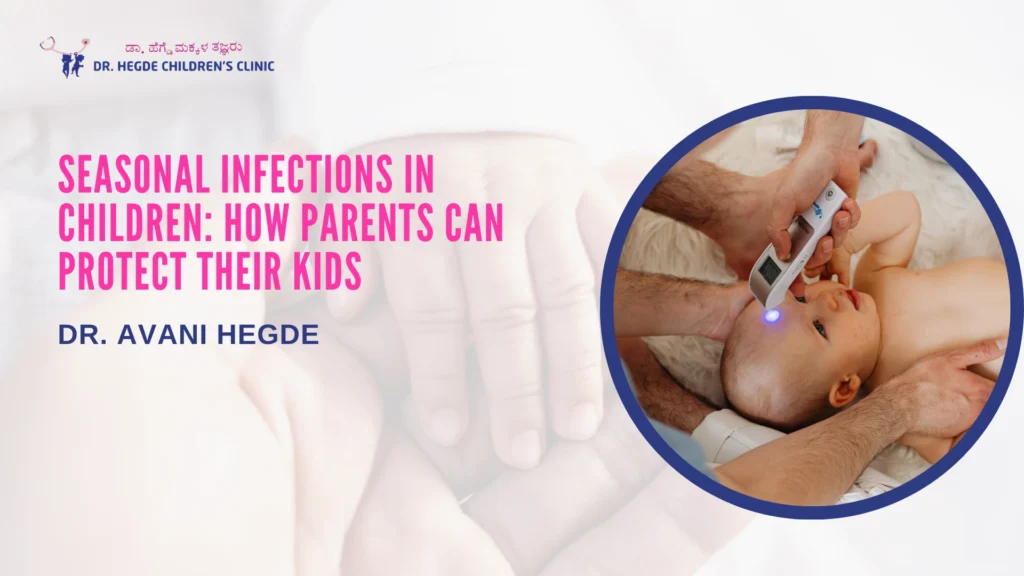
Seasonal infections are very common among children, especially during changes in weather. Children have developing immune systems, which makes them more vulnerable to infections such as colds, flu, throat infections, and stomach bugs. Consulting a specialist like the Best Pediatric Endocrinologist in Bangalore can help parents understand how a child’s overall health, immunity, and growth can influence their ability to fight infections. Early guidance and proper care can help prevent complications and keep children healthy throughout the year.
Why Children Are More Prone to Seasonal Infections
Children interact closely with other kids at schools, playgrounds, and daycare centers. This makes it easier for viruses and bacteria to spread quickly. In addition, their immune systems are still developing, which means they may take longer to build resistance against common infections.
Weather changes also play a significant role. During rainy and winter seasons, viruses tend to spread faster. Dust, pollen, and pollution during certain times of the year can also trigger respiratory issues and allergies in children.
Common Seasonal Infections in Children
Parents should be aware of some common infections that frequently affect children during seasonal transitions:
1. Common Cold and Flu
Symptoms include runny nose, cough, fever, sore throat, and fatigue. These infections spread easily through droplets when someone coughs or sneezes.
2. Viral Fever
Children may experience high fever, body aches, and weakness. Viral infections are more common during monsoon and winter seasons.
3. Respiratory Infections
Conditions like bronchitis or sinus infections can develop if a cold is not treated properly.
4. Stomach Infections
Seasonal changes can sometimes lead to food contamination, causing vomiting, diarrhea, or stomach pain.
Warning Signs Parents Should Not Ignore
While most seasonal infections are mild, some symptoms require immediate medical attention. Parents should consult a doctor if their child has:
- Fever lasting more than three days
- Difficulty breathing
- Severe vomiting or dehydration
- Unusual fatigue or weakness
- Persistent cough or chest pain
Early diagnosis ensures proper treatment and prevents complications.
How Parents Can Protect Their Children
Preventive care plays a major role in protecting children from seasonal illnesses.
1. Encourage Proper Hygiene
Teach children to wash their hands regularly with soap, especially before eating and after playing outside.
2. Maintain a Healthy Diet
A balanced diet rich in fruits, vegetables, and proteins helps strengthen the immune system.
3. Ensure Proper Hydration
Children should drink enough water to stay hydrated, especially during fever or hot weather.
4. Keep Vaccinations Updated
Vaccinations help protect children from many serious infections.
5. Ensure Adequate Sleep
Proper rest helps the immune system function effectively and fight infections.
When to Visit a Specialist
If a child frequently falls sick, experiences delayed growth, or shows signs of hormonal imbalance, parents should seek expert advice. A consultation with the Best Pediatric Endocrinologist in Bangalore can help evaluate underlying health conditions and ensure that the child’s growth and immunity are on track.
Conclusion
Seasonal infections are a part of childhood, but with proper precautions and timely medical care, parents can significantly reduce their impact. Maintaining good hygiene, a healthy diet, and regular medical check-ups can help children stay active and healthy throughout the year. Awareness and early intervention are the keys to protecting children from seasonal illnesses.
FAQs
1. What are the most common seasonal infections in children?
Common seasonal infections include colds, flu, viral fever, respiratory infections, and stomach infections.
2. How can parents prevent seasonal infections in kids?
Parents can prevent infections by encouraging hand hygiene, providing a balanced diet, ensuring proper sleep, and keeping vaccinations up to date.
3. When should I take my child to a doctor for a seasonal infection?
If the fever lasts more than three days, the child has breathing difficulty, severe vomiting, or extreme weakness, medical consultation is recommended.
4. Do seasonal infections affect a child’s growth?
Frequent infections may sometimes affect appetite and overall health, which can indirectly impact growth if not managed properly.
5. Can diet improve a child’s immunity against seasonal infections?
Yes, a healthy diet rich in vitamins, minerals, and proteins helps strengthen the immune system and reduces the risk of infections.