Every parent closely watches their child’s growth and development. Height is often one of the biggest concerns, and many parents wonder if their child is growing at the right pace. If you notice that your child is shorter than other children of the same age or their growth seems slower than expected, it can be worrying. Consulting the Best pediatric endocrinologist in Bangalore can help identify whether the growth pattern is normal or if there is an underlying medical condition affecting your child’s height. Experts like Dr. Avani Hegde specialize in evaluating and managing growth-related concerns in children.
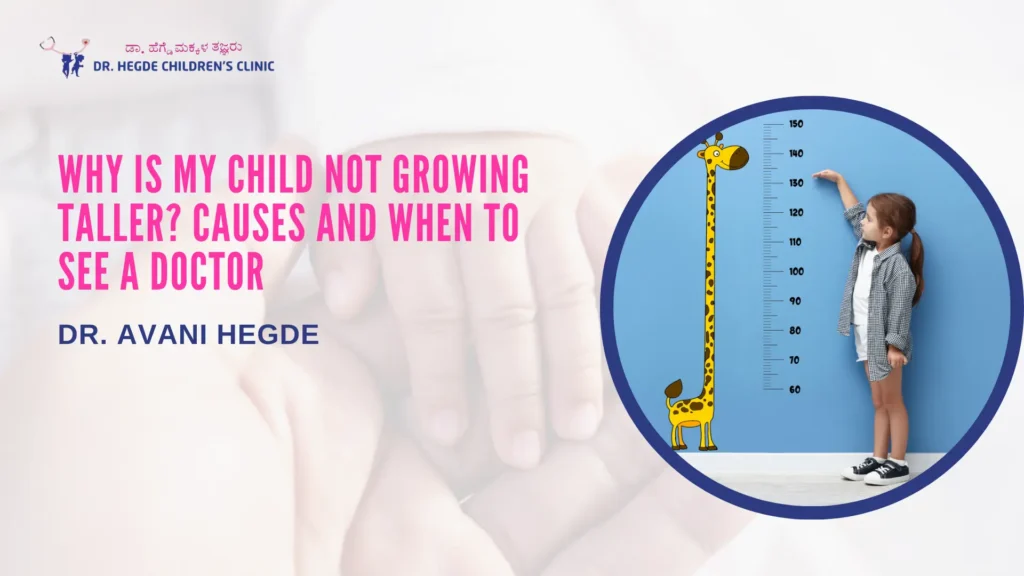
Understanding Normal Growth in Children
Children grow at different rates, and growth depends on several factors including genetics, nutrition, hormones, and overall health. Most children follow a predictable growth pattern that can be tracked using growth charts. Pediatricians monitor height, weight, and body proportions during routine check-ups to ensure the child is growing normally.
Growth spurts usually occur during infancy and puberty. However, if a child consistently grows slower than expected or drops significantly on the growth chart, it may indicate a growth-related issue that needs medical attention.
Common Causes of Slow Growth in Children
1. Genetics
One of the most common reasons for shorter height is genetics. If parents are shorter, children may also naturally be shorter compared to their peers. This is called familial short stature and is usually not a medical concern.
2. Poor Nutrition
Proper nutrition plays a vital role in a child’s growth. Lack of essential nutrients such as protein, calcium, vitamins, and minerals can slow down growth. Children who do not eat a balanced diet may not reach their full growth potential.
3. Hormonal Problems
Hormones control many growth processes in the body. Conditions such as growth hormone deficiency or thyroid disorders can affect height. Pediatric endocrinologists are trained to diagnose and treat these hormonal issues.
4. Chronic Illness
Certain chronic conditions like asthma, kidney disease, gastrointestinal disorders, or heart problems can affect a child’s growth. These conditions may reduce appetite, nutrient absorption, or energy levels.
5. Delayed Puberty
Some children experience a delay in puberty, which can temporarily slow growth. However, these children often catch up later during adolescence.
When Should Parents See a Doctor?
While variations in growth are normal, certain signs should prompt a medical evaluation. Parents should consider consulting a specialist if:
- The child is significantly shorter than other children of the same age.
- Growth slows down or stops for several months.
- The child grows less than 4–5 cm per year after age 3.
- There are other symptoms such as fatigue, weight issues, or delayed puberty.
A pediatric endocrinologist will assess the child’s medical history, perform a physical examination, review growth charts, and may recommend blood tests or imaging studies to determine the cause.
How Growth Problems Are Treated
Treatment depends on the underlying cause. Nutritional improvements, hormone therapy, or treatment of chronic conditions can help children achieve better growth outcomes. Early diagnosis plays a crucial role in ensuring effective treatment and helping children reach their full height potential.
Conclusion
Growth concerns are common among parents, but not all cases indicate a serious problem. Consulting the Best Pediatric Endocrinologist in Bangalore can help monitor your child’s growth and identify potential issues early. With proper evaluation and care from experienced specialists, children can receive the support they need for healthy growth and development.
FAQs
1. At what age should parents worry about a child’s height?
Parents should consult a doctor if a child is significantly shorter than peers or if growth slows down after the age of three.
2. Can poor diet affect my child’s height?
Yes. Lack of essential nutrients such as protein, calcium, and vitamins can negatively impact growth.
3. What tests are done to check growth problems?
Doctors may review growth charts, conduct blood tests, hormone tests, and sometimes X-rays to assess bone age.
4. Can growth hormone therapy help children grow taller?
Growth hormone therapy may help children with diagnosed growth hormone deficiency, but it should only be used under specialist supervision.
5. When should I consult a pediatric endocrinologist?
If your child has slow growth, delayed puberty, or suspected hormonal problems, consulting a pediatric endocrinologist is recommended.