Fever is one of the most common reasons parents worry about their children. The moment a child feels warm, many parents immediately reach for a thermometer or medicine. But fever is not always something to fear. In many cases, it is the body’s natural response to an infection and an important part of the immune system’s defense. Understanding when fever is normal and when medical attention is needed can help parents respond calmly and appropriately. If you are concerned about your child’s fever, consulting a Best Pediatrician in Banashankari can provide reassurance and proper guidance.
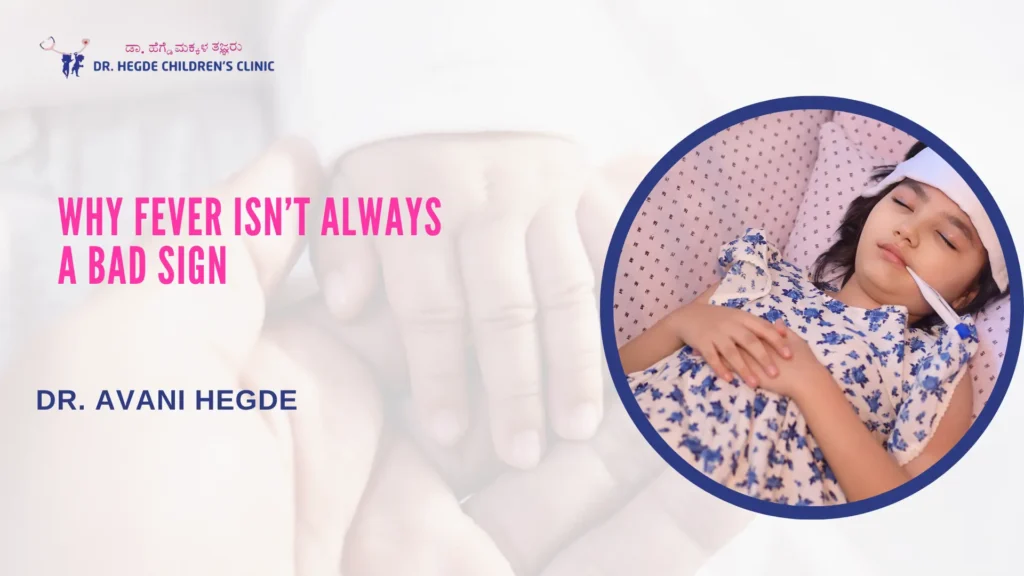
Fever is a temporary rise in body temperature, usually triggered when the immune system detects an infection or illness. Viruses are a common cause, although bacterial infections and other conditions can also cause fever.
Rather than being an illness itself, fever is often a symptom that tells us the body is responding to something. A slightly raised temperature may be part of the body's effort to fight germs. This does not mean every fever should be ignored. The child's age, overall behavior, symptoms, temperature, and duration of fever all matter.
When the body detects an infection, the immune system releases chemicals that can increase body temperature. This creates an environment that may make it more difficult for some germs to multiply while supporting the body's immune response.
That is why parents do not always need to panic when their child develops a fever. A child who has a fever but is drinking fluids, responding normally, playing occasionally, and sleeping reasonably well may not necessarily have a serious illness. The goal is not always to bring the temperature completely back to normal. The main focus should be on the child's comfort, hydration, and overall condition.
While fever can be a normal immune response, certain situations require medical evaluation. Parents should seek medical advice if the child is unusually sleepy, difficult to wake, struggling to breathe, refusing fluids, showing signs of dehydration, experiencing a seizure, developing a concerning rash, or appearing significantly unwell.
Very young babies with fever require particular attention. Parents should contact a healthcare professional promptly rather than relying only on home treatment. It is also important to consult a doctor when fever persists, repeatedly returns, or occurs alongside symptoms that concern you.
Conclusion:
Fever can certainly make parents anxious, but it is important to remember that it is often the body’s natural defense mechanism rather than a disease itself. Instead of focusing only on the number shown on the thermometer, parents should pay attention to how their child is behaving, drinking, breathing, and responding.
When in doubt, professional guidance can help parents understand whether a fever can be managed at home or needs further evaluation. Consulting a trusted Best Pediatrician in Banashankari can provide parents with appropriate advice based on the child’s age, symptoms, and overall health. Remember, staying calm, keeping your child comfortable and hydrated, and knowing the warning signs are important parts of managing childhood fever.
FAQ’s
No. Fever is often a natural response to infection. However, the child's age, symptoms, behavior, and duration of fever are important when deciding whether medical evaluation is needed.
Not necessarily. Fever medicine is generally used to improve a child's comfort rather than simply to make the thermometer reading normal. Speak with your pediatrician about the appropriate medicine and dose for your child.
Yes. Some children remain fairly active despite having a fever. A child's overall behavior and ability to drink fluids can provide useful clues about how they are coping with the illness.
Parents can consult Dr. Hegde Children’s Clinic for professional guidance on fever, symptoms, hydration, and appropriate care for children.
No. Temperature is only one part of the picture. Watch your child's breathing, hydration, alertness, activity, feeding, urine output, and other symptoms.